Spain has not only been winning matches—they have created the impression that they completely control the rhythm of the 2026 FIFA World Cup. From a convincing 3–0 victory over Austria, to a disciplined 2–0 win against France in the semifinals, and a narrow triumph over Argentina in their final match, La Roja have consistently imposed their style on opponents with vastly different approaches. What makes the rest of the tournament take notice is not merely the impressive string of results, but the balance between possession, pressing, pace, and tactical 365cuci pragmatism. Spain is sending a clear message: stopping them requires far more than simply defending with numbers.
A Complete Team Dominating in Different Ways
Looking only at the scorelines, Spain appears to be an efficient attacking side. Yet the greatest strength of this team lies in its ability to win under completely different circumstances. Against Austria, the men in red dominated from start to finish, securing an emphatic 3–0 victory. In the semifinal against France, they still controlled proceedings but approached the game with greater caution, ultimately earning a composed 2–0 win over one of the fastest teams in international football.
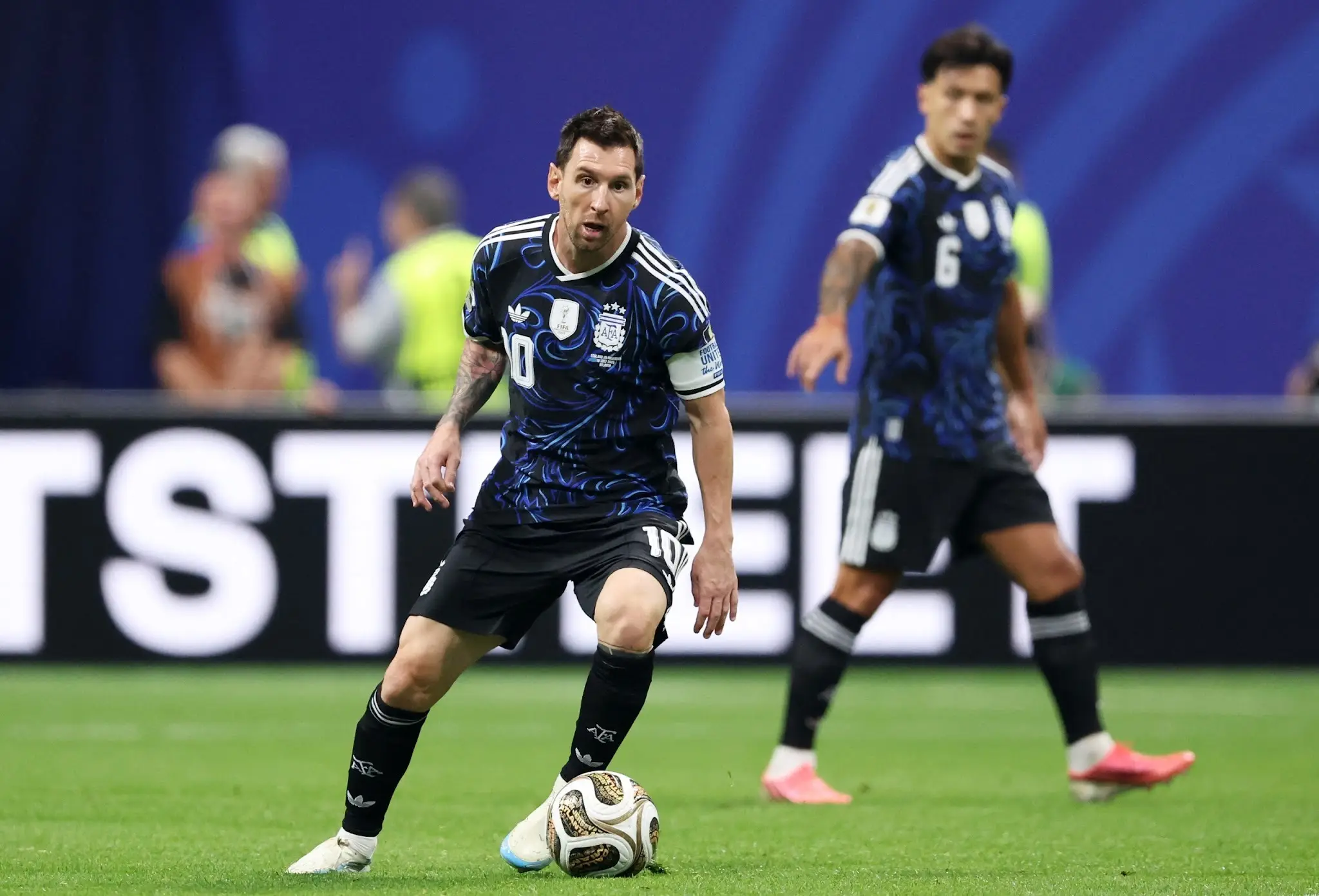
The encounter with Argentina presented a different challenge. With limited space and few clear scoring opportunities, Spain remained patient. They accepted longer passing sequences, minimized risky turnovers in dangerous areas, and protected their narrow advantage through disciplined defensive organization. The 1–0 victory demonstrated that this Spain no longer depends solely on spectacular attacking displays to achieve success.
These three matches showcased three different identities: domination, control, and resilience. The ability to switch seamlessly between these modes is the hallmark of a mature team. Spain is no longer confined to a single style of play, nor do they lose their identity when opponents alter their tactical approach.

How Spain’s Playing Style Has Evolved
Spain’s traditional possession-based identity remains intact, but the current version no longer circulates https://365cuci.it.com/ the ball simply to maintain a high possession percentage. Every passing sequence serves a clear objective: stretching the opponent’s defensive structure, opening passing lanes, or placing a teammate in a position to attack the goal.
One of the most noticeable improvements is the team’s speed after regaining possession. Instead of automatically slowing the game down, Spain now attacks vertically whenever opponents have not yet restored their defensive shape. This approach maximizes the pace of the wide players while preventing possession from becoming sterile.
Another key development is their coordinated pressing. The nearest player immediately applies pressure to the ball, while teammates behind him close the most dangerous passing options. When executed collectively, this system forces opponents into long balls or passes toward the touchline, where Spain can press even more aggressively.
Possession Without Slowing the Game
Spain still values patient ball circulation, but the tempo can increase dramatically with a single line-breaking pass. Quick switches of play and constant off-ball movement make it difficult for opponents to maintain compact defensive spacing. This flexibility has helped Spain avoid the predictability that once troubled them against deep defensive blocks.
When central attacks become difficult, Spain deliberately stretches the field horizontally before suddenly attacking the space between the opponent’s midfield and defensive lines. These areas often become available after the defensive block shifts too far toward one side of the pitch.

Defending Begins with the Forwards
Spain’s defensive strength is not built solely on defenders or the goalkeeper. Forwards and attacking midfielders play a vital role by disrupting the opponent’s build-up at its earliest stage. Even a few seconds of effective pressure provide enough time for the rest of the team to regain its defensive shape.
In major matches, this proactive defending becomes especially valuable. It reduces the number of dangerous counterattacks the back line must face while allowing Spain to maintain control even immediately after losing possession.
Why France and Argentina Struggled
France and Argentina possess exceptional attacking quality, yet both found it difficult to break down Spain’s spatial control. Rather than focusing only on winning the ball, Spain concentrated on denying access to the areas where their opponents wanted to play. The spaces between full-backs and center-backs were carefully protected, while the midfield always provided additional defensive cover.
Against France, the primary objective was preventing explosive runs into the space behind the defensive line. Spain resisted the temptation to push forward recklessly, always maintaining the correct balance between attacking numbers and defensive security. This significantly reduced France’s effectiveness in transition.
Argentina presented a different challenge through its fluid passing combinations and moments of individual brilliance. Spain responded by keeping compact distances between players, avoiding unnecessary fouls near dangerous areas, and refusing to allow the match to become chaotic. By forcing Argentina to attack in tight spaces, Spain greatly reduced the likelihood of decisive final passes.
What stands out most is that Spain neutralized neither team through individual brilliance alone. Their success came from a layered defensive system. Whenever one defender was beaten, another immediately stepped in while the rest of the team adjusted to block the next passing option. Such an approach demands exceptional fitness, discipline, and tactical intelligence.
Spain’s Warning to the Rest of the World
Spain’s strongest message has not come through words but through performances. They have overcome teams with very different footballing philosophies while remaining true to their own identity. This side can press high, defend in organized blocks, dictate possession, or launch rapid counterattacks depending on the demands of the match.
To compete with Spain, opponents must excel in several areas simultaneously. They need to escape pressure consistently, maintain defensive compactness without the ball, and convert their chances with ruthless efficiency. Simply defending deep is rarely enough, as Spain possesses the tactical intelligence to stretch defensive structures before exploiting the spaces that inevitably appear.
Nevertheless, no tactical system is invincible. When Spain pushes its defensive line forward, space behind the defense can still become vulnerable. Their intense pressing also requires outstanding physical endurance throughout the entire match. Teams capable of playing accurate long passes, retaining possession under pressure, and transitioning quickly may still create significant problems.
The difference is that Spain now punishes even the smallest mistakes. A misplaced pass in midfield or a brief lapse in defensive positioning inside the penalty area can be enough for La Roja to capitalize. That is why this team has become the new benchmark for every nation aspiring to compete at the highest level.
Spain’s journey demonstrates that elite football does not require choosing between beauty and efficiency. They control matches when necessary, accelerate at the right moments, defend aggressively, and possess the patience to win tightly contested encounters. As a result, the Red Fury has done more than build an impressive winning streak—it has established a new standard for international football. The challenge has been issued, and the rest of the world must now discover how to adapt to a Spain that has become more complete than ever before.